Metrine Nambale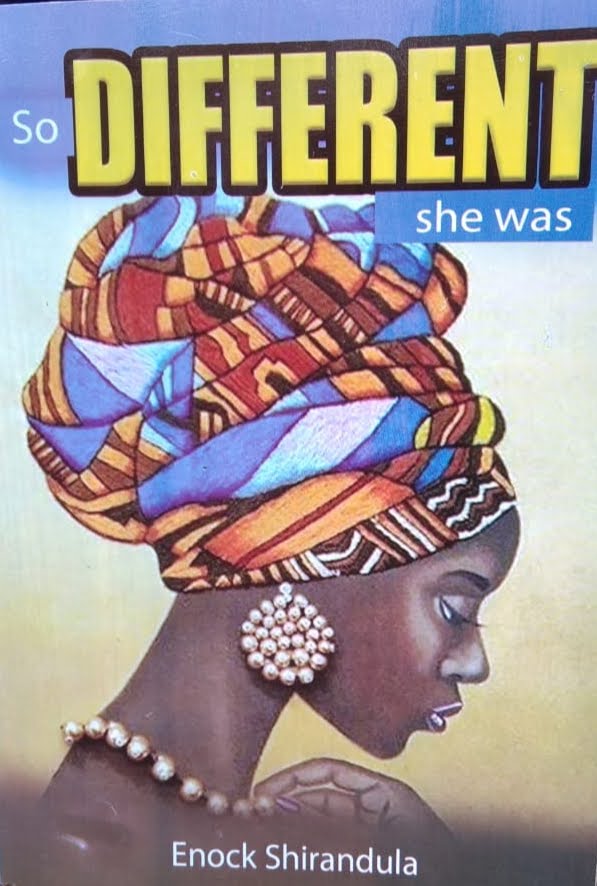
Many believe that successful book and novel writers emerge from major towns or spend most of their lives in cities. However, Enock Shirandula from Tumbeni village in Malava Sub-County, Kakamega County, has defied this perception by pursuing book writing and contributing feature stories to newspapers while living in a rural setting.
From a young age, Shirandula developed a deep love for reading. He was inspired by renowned African writers such as Chinua Achebe, Francis Imbuga, Ngũgĩ wa Thiong’o and Ken Walibora an influence that later shaped his own literary journey.
He began his education at Tumbeni Primary School, where he sat for the CEE (Common Entrance Examination) in 1949. He later joined Shamberere Intermediate School and sat for the KPE (Kenya Preliminary Examination), which enabled him to proceed to Malava Harambee Secondary School, now known as Malava Boys High School. His good performance in the Kenya Junior Secondary Examination earned him a place at Siriba Teachers College, where both his teaching career and passion for writing were fully awakened.
Shirandula served in the education sector for over 20 years, working as a teacher, headteacher and eventually rising to the rank of Zonal Inspector of Education. He served in Kakamega County and later in Cheptais Zone, Mt. Elgon Division.
He retired from teaching in 2002, marking the beginning of his long-held dream of becoming a published author. Soon after retirement, he published his first novel, So Different She Was, releasing 500 copies to the market. The book tells the story of Khavokoyi, a young girl raised by her hardworking mother Nelima in the absence of her father Mukoyani, who only appears to celebrate when his daughter performs well in the KCPE examinations.
“The idea of writing always comes from within, You write about what you see, what you feel, your dreams and even everyday home activities.”
Today, Shirandula stands as a beacon of hope to aspiring writers, especially those from rural areas. He believes that with trust in one’s journey and persistence, success is achievable regardless of location.
Despite his achievements, his writing journey has not been without challenges. He cites financial constraints as the greatest obstacle, noting that many publishers prefer well known authors, leaving upcoming writers struggling to have their work published.
Currently, Shirandula has ten manuscripts that have passed the review stage but remain unpublished due to lack of funds. As a result, he watches his lifelong dream slowly fade, powerless to move forward without financial support.
Nevertheless, he remains hopeful that donors and well-wishers will come forward to help him publish his remaining nine books. Through his work, he has bridged the gap between Generation Z and older generations by preserving culture, values and traditional norms through storytelling as recorded in one his book Give Us Chance
Shirandula has called upon both levels of government to support young people with creative talents. He urges the government to establish heritage and cultural centres where youth can be trained on cultural values and traditions. Additionally, he appeals for the creation of funds to support writers, noting that creative arts should not focus solely on music while neglecting literature and writings
As the sun sets over Tumbeni village, Enock Shirandula’s unfinished manuscripts remain a quiet testament to both personal resilience and systemic neglect. His story is not only one of individual determination but also a mirror reflecting the many gifted writers whose voices risk being lost due to lack of support. While his passion for preserving culture, values and generational dialogue through literature remains unbroken time and limited resources threaten to silence that mission. Shirandula’s journey calls for urgent action from policymakers, cultural institutions and development partners to recognize writing as a vital national resource. By investing in literary talent, establishing cultural and heritage centres and creating sustainable funding for writers, the government can ensure that stories rooted in Kenya’s villages are not left to fade, but are preserved to educate, inspire and unite future generations.


 ELVIS NYAMA NDOGO