Metrine Nambale
ODM Secretary-General Edwin Sifuna, Raila Odinga stood firmly by him, consistently defending his position within the party. Sources indicate that while Odinga’s family supported Sifuna, they also allowed party organs to make independent decisions.
Once a dominant political force in Nyanza, Western Kenya, Nairobi, the Coast region, and parts of the Rift Valley, the Orange Democratic Movement (ODM) has experienced a marked decline in popularity. The party’s influence now appears largely confined to Kisumu and four neighboring counties. Political analysts warn that in the coming years, ODM risks being overshadowed — or even gradually absorbed — by the ruling United Democratic Alliance (UDA), as key decisions increasingly seem aligned with the interests of the government.
Political projections suggest that Sifuna is likely to retain his Senate seat, while Embakasi East MP Babu Owino is emerging as a strong contender for the Nairobi gubernatorial race. Alongside leaders such as Kiharu MP Ndindi Nyoro, they are viewed as part of a new generation poised to shape Kenya’s evolving political landscape.
Meanwhile, veteran politicians including John Mbadi, Opiyo Wandayi, Junet Mohamed, and Gladys Wanga are expected to continue voicing concerns over what they describe as marginalization under President William Ruto’s administration.
Observers note that Sifuna has maintained a crucial political asset: public sympathy. Analysts believe this goodwill could translate into significant political capital in the months ahead. The appointment of Oburu Odinga as ODM chairman — a figure some critics perceive as disconnected from youth concerns — has intensified debate within the party. Critics argue that the move could signal growing external influence over ODM’s internal affairs, potentially prompting younger leaders to reconsider their positions within the party.
Conspicuously silent in the unfolding developments is Kisumu Governor Anyang’ Nyong’o. During Raila Odinga’s bid for the African Union Commission (AUC) chairmanship, Nyong’o effectively steered party affairs in the leader’s absence. However, as debate intensifies over the party’s direction, he has remained quiet, fueling speculation over which faction he might support. Political observers are closely watching to see whether he will align himself with Siaya Governor James Orengo’s camp or back Oburu Odinga’s leadership within the party.
Analysts further suggest that Raila Odinga’s refusal to oust Sifuna was a calculated move aimed at preserving party unity and maintaining strategic influence at a time when ODM faces an uncertain political future.

ELVIS NYAMA NDOGO
- POLITICS
- August 12, 2026
- 80 views
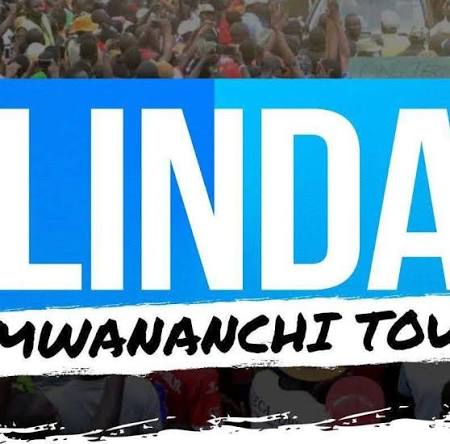
The Rise of Linda Mwananchi and the Fall of ODM Under Oburu Odinga and Gladys Wanga
The death of Raila Amollo Odinga has opened the most serious leadership and ideological crisis in the history of the Orange Democratic Movement (ODM), a party that for more than…